Research

Strategic Research Groups

Meet the core research groups driving TCNRL, spanning cancer, infectious and brain diseases, drug delivery, and AI.

Research Groups

Seven Core Research Groups
Connecting Diseases and Technologies

Centered on the Core Research Group (CORE), which integrates the five core technologies (CT1–CT5), TCNRL brings together three disease-focused research groups (SG1–SG3), a drug-delivery platform group (SG4), an AI and data group (SG5), and a translation and support group (SSG). These groups collaborate across a three-phase roadmap, progressing from disease-mechanism elucidation to clinical translation.
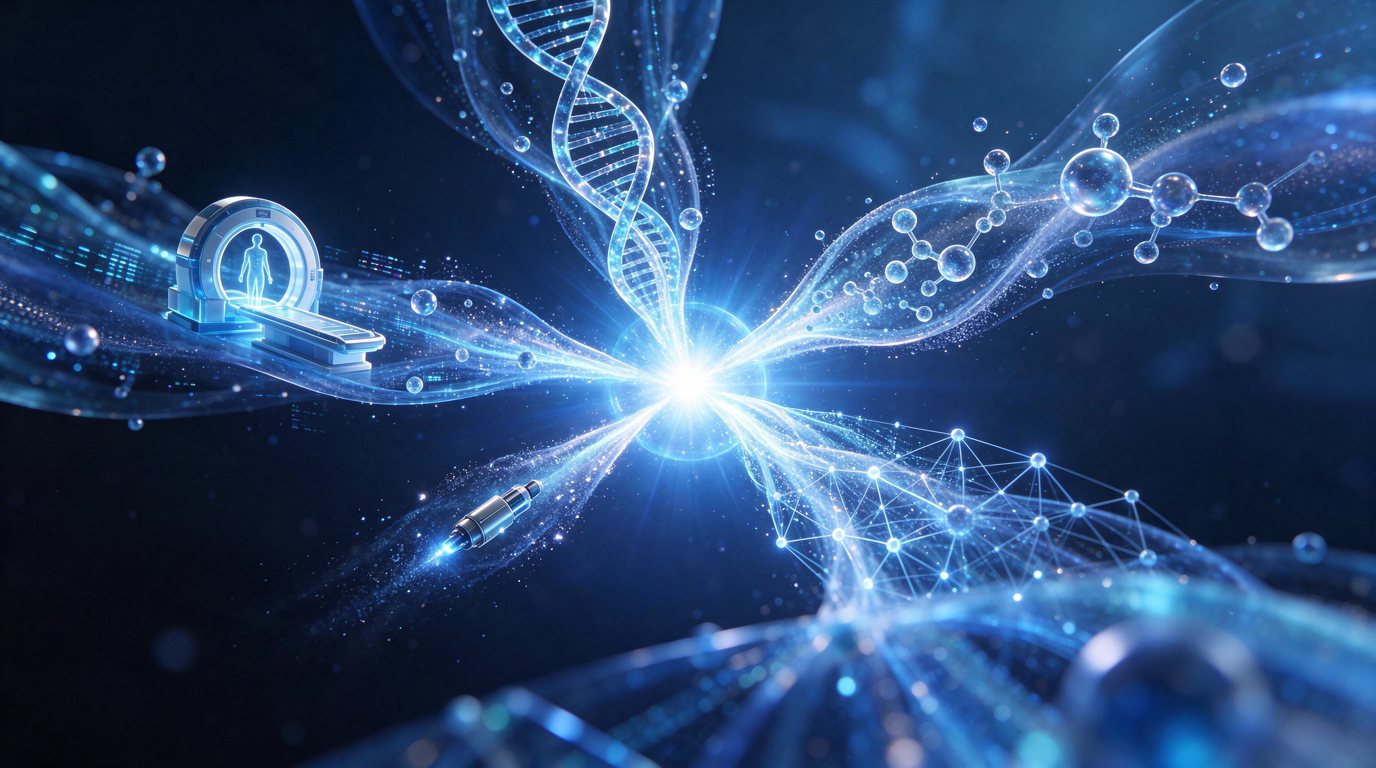
CORE Core Research Group - five core technologies (CT1–CT5) converging into one integrated platform
CORE

Core

Core Research Group

Establishing an Integrated TCNRL Validation Platform Based on Five Core Technologies (CT1–CT5)

The Core Research Group aims to establish an integrated validation platform by connecting TCNRL's five strategic core technologies (CT1–CT5). Through interdisciplinary integration and technological convergence, the group seeks to develop a comprehensive framework for validating research outcomes and advancing translational applications.

  1. Phase 1

    Establishing the Foundation for Technology IntegrationDeveloping an integrated framework connecting CT1–CT5 and establishing the foundation for a comprehensive validation platform.

  2. Phase 2

    Developing and Advancing the Integrated Validation PlatformIntegrating strategic core technologies to develop and enhance TCNRL's integrated validation platform.

  3. Phase 3

    Integrated Validation and Expanded ApplicationsConducting integrated validation of convergent technologies and expanding platform applications through the evaluation of research outcomes.

Related Core Technologies
  • CT1 Targeting
  • CT2 Imaging
  • CT3 Smart Probe
  • CT4 Targeted Delivery
  • CT5 AI-Robotics

CORE Core Researchers

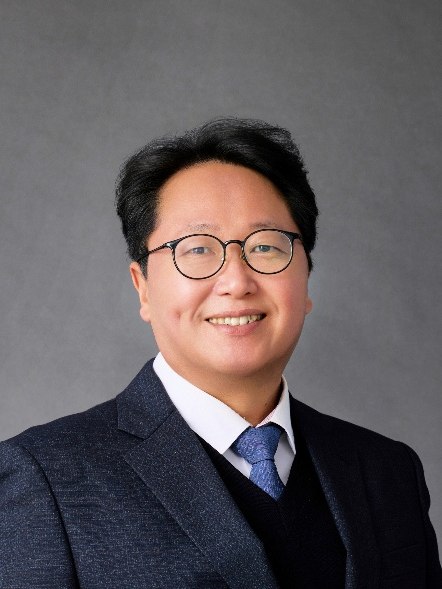
  • Hak Soo Choi, Professor

    Founding Director / Group Leader

    Hak Soo ChoiProfessor
    Research Areas
    Theranostics · Molecular Imaging · Nanomedicine
    Email
    haksoochoi@gmail.com
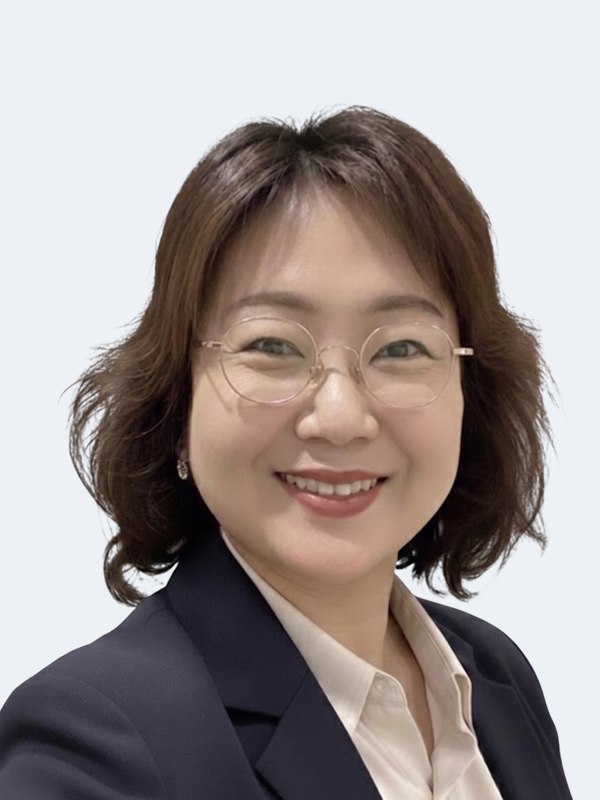
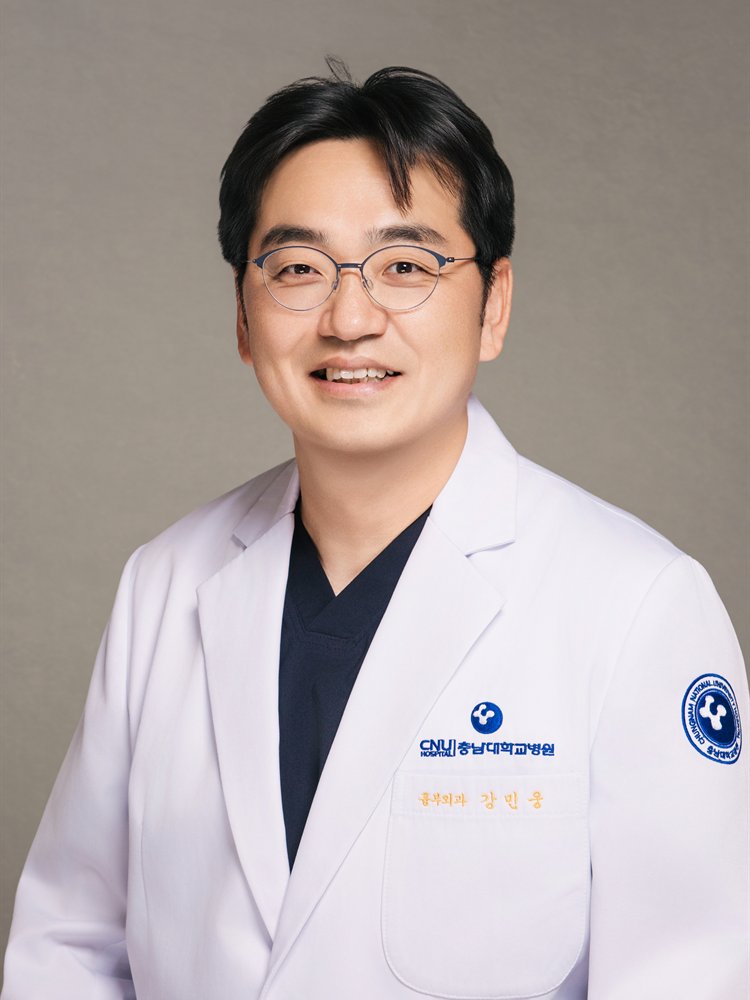
  • Min Woong Kang, Professor

    CORE Group Leader

    Min Woong KangProfessor
    Research Areas
    Oncology · Thoracic Oncology · Nanomedicine · Molecular Imaging-Guided Surgery · Anticancer Drug Development
    Email
    csdockang1@gmail.com
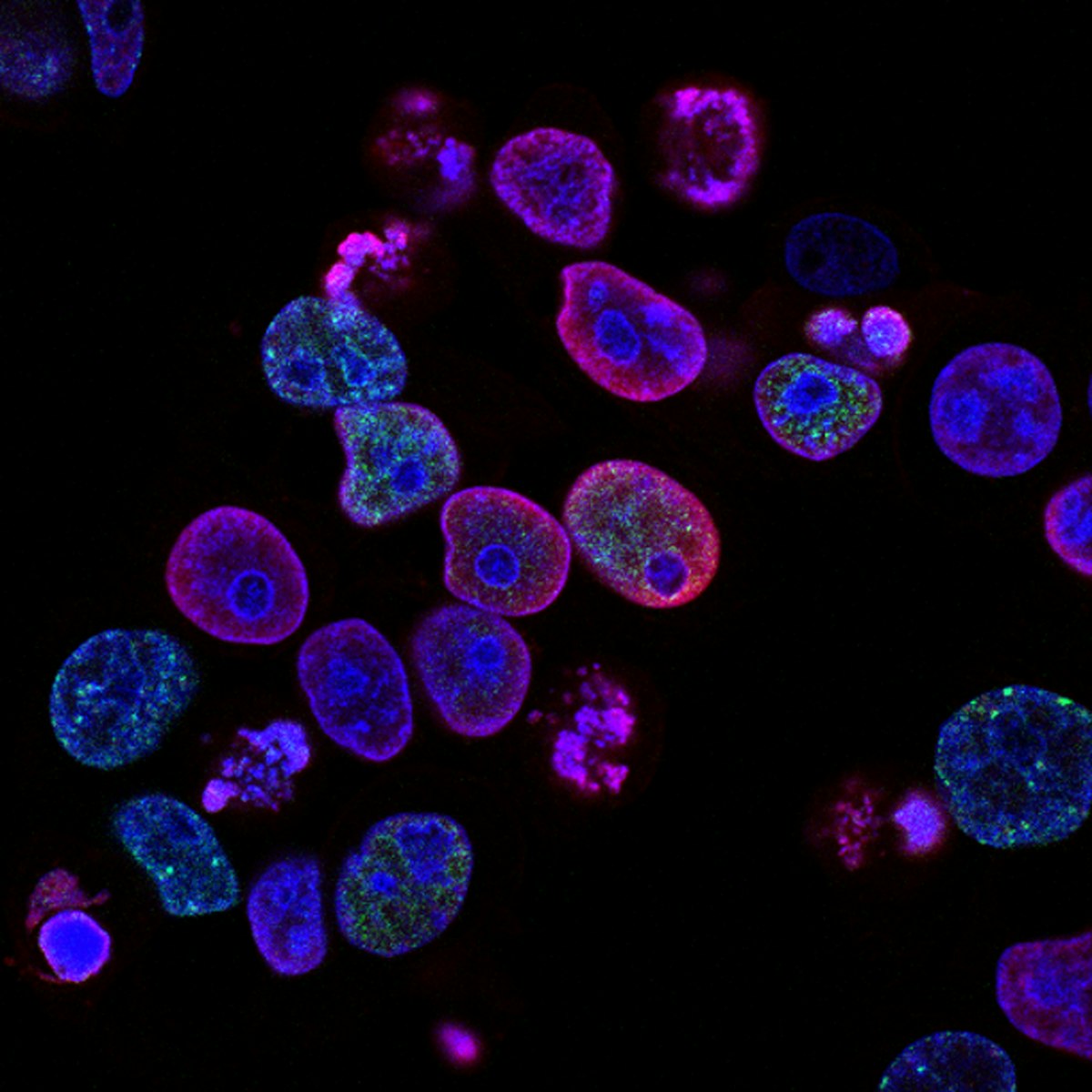
SG1 Cancer Research Group - cancer cells viewed under a microscope
SG1

Cancer

Cancer Research Group

An integrated theranostics platform for precisely targeting mechanisms of tumor resistance

  1. Phase 1Elucidation of tumor resistance mechanisms and discovery of theranostic targets
  2. Phase 2Design of personalized theranostics targeting tumor resistance
  3. Phase 3Establishment of an integrated proof of concept (PoC) for clinical translation
Related Core Technologies
  • CT1 Targeting
  • CT2 Imaging

SG1 Cancer Researchers

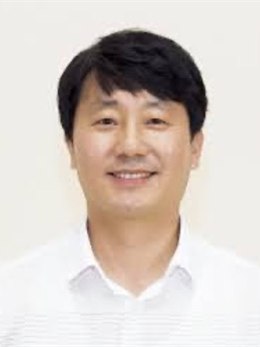
  • Bon Seok Koo, Professor

    SG1 Group Leader

    Bon Seok KooProfessor
    Research Areas
    Liquid Biopsy · Tumor Microenvironment · Target Discovery · RNA Therapeutics · Precision Oncology
    Email
    bskoo515@cnu.ac.kr
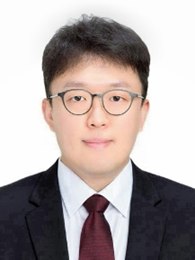
  • Ki Kwang Kim, Professor

    Participating Professor

    Ki Kwang KimProfessor
    Research Areas
    Development of RNA-Based Therapeutics · Development of Environmental Toxicity Monitoring Systems · Interdisciplinary Applied Research
    Email
    kimkk@cnu.ac.kr
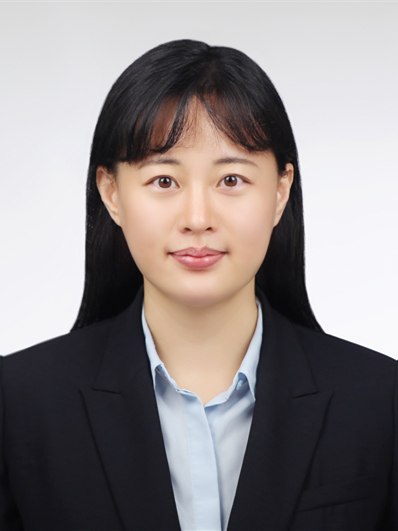
  • Seok Hwan Kim, Associate Professor

    Participating Professor

    Seok Hwan KimAssociate Professor
    Research Areas
    Development of Liver and Liver Cancer Organoids · Development of Biliary Tract and Biliary Tract Cancer Organoids · Multidimensional Disease Models for Liver and Biliary Tract Cancers
    Email
    kjxh7@cnuh.co.kr
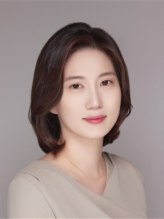
  • In Soo Kim, Assistant Professor

    Participating Professor

    In Soo KimAssistant Professor
    Research Areas
    Development of Clinical Translational Research Platforms · Investigation of Disease Mechanisms Using Advanced Omics · Discovery of Disease Biomarkers
    Email
    insk@cnu.ac.kr
  • Sun Woo Min, Assistant Professor

    Participating Professor

    Sun Woo MinAssistant Professor
    Research Areas
    DNA Damage Response · Chromatin Dynamics · Genome Instability · Cancer · Therapeutic Vulnerability
    Email
    smin1221@cnu.ac.kr
  • Ji Ho Park, Professor

    Participating Professor

    Ji Ho ParkProfessor
    Research Areas
    Development of Lipid-Based Drug Delivery Systems · Development of mRNA Vaccines and Therapeutics · Development of Immunotherapies
    Email
    jihopark@kaist.ac.kr
  • Hyo Jin Lee, Professor

    Participating Professor

    Hyo Jin LeeProfessor
    Research Areas
    Engineering of Tumor-Targeting Microorganisms · Multicomponent Drug Delivery Systems · Development of AI- and Microbiome-Based Therapeutics
    Email
    cymed@cnu.ac.kr
  • Young Seok Ju, Professor

    Participating Professor

    Young Seok JuProfessor
    Research Areas
    Genomic Mutations · Single-Cell Multi-Omics · Bioinformatics
    Email
    ysju@kaist.ac.kr
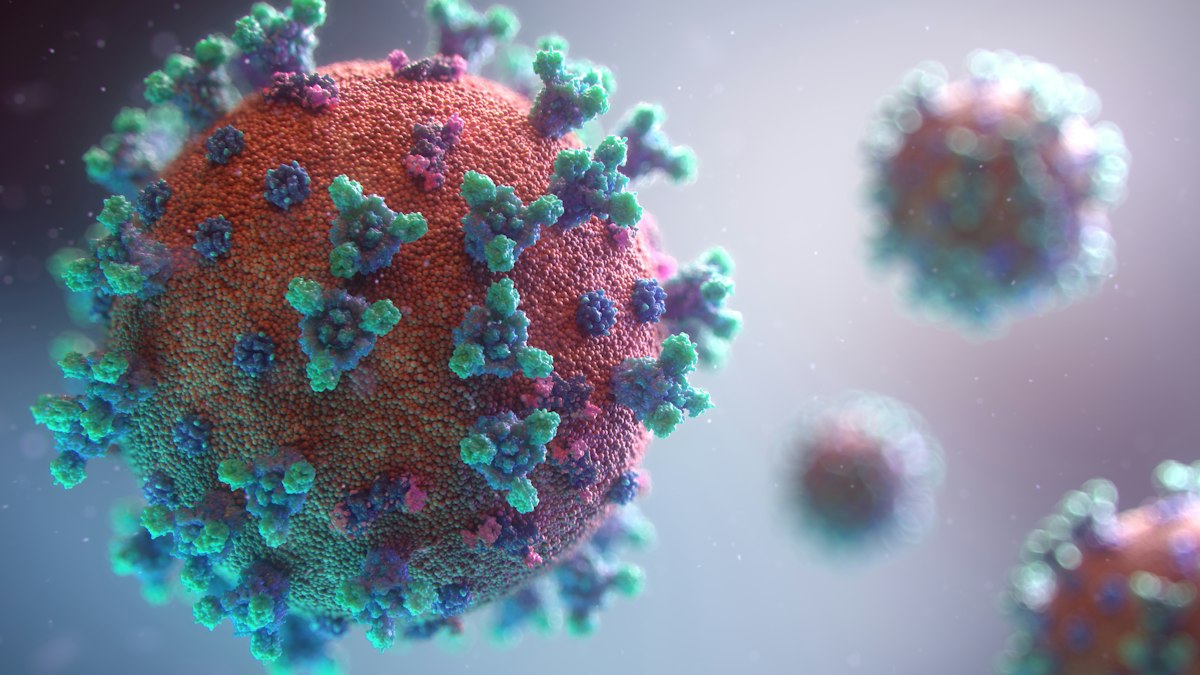
SG2 Infectious Disease Research Group - visualization of virus particles
SG2

Infectious Diseases

Infectious Disease Research Group

An end-to-end platform for diagnostic and therapeutic technologies for difficult-to-treat infections

  1. Phase 1Elucidation of mechanisms of intractable infections and target discovery
  2. Phase 2Design of pathogen-specific theranostics
  3. Phase 3Validation of platform biocompatibility
Related Core Technologies
  • CT1 Targeting
  • CT2 Imaging

SG2 Infectious Diseases Researchers

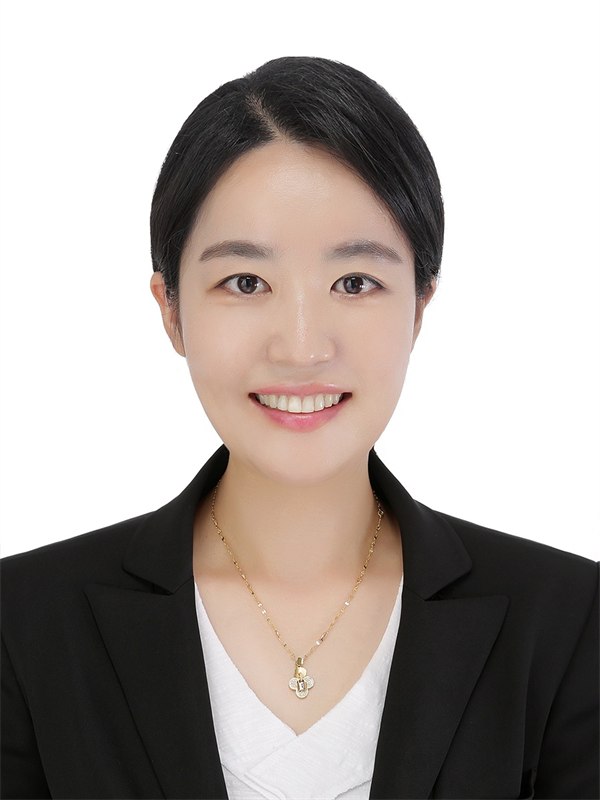
  • Eun Kyeong Jo, Professor

    SG2 Group Leader

    Eun Kyeong JoProfessor
    Research Areas
    Infection Immunology and Host–Pathogen Interactions · Autophagy and Immunometabolism · Development of Host-Directed Therapeutic Technologies
    Email
    hayoungj@cnu.ac.kr
  • Min Seon Kim, Associate Professor

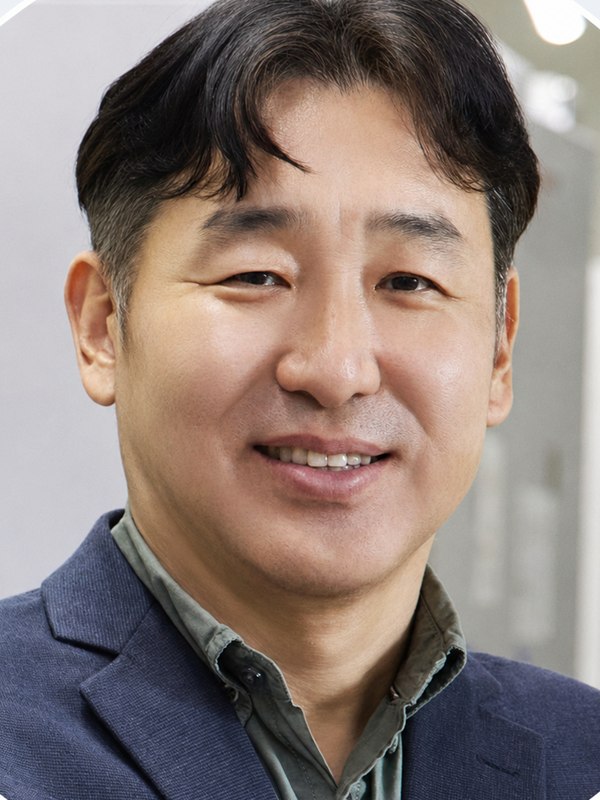
    Participating Professor

    Min Seon KimAssociate Professor
    Research Areas
    Mechanisms of Viral Infection and Host Responses · Development of Next-Generation Vaccines and Delivery Platforms · AI-Based Drug Discovery
    Email
    mskim0825@kongju.ac.kr
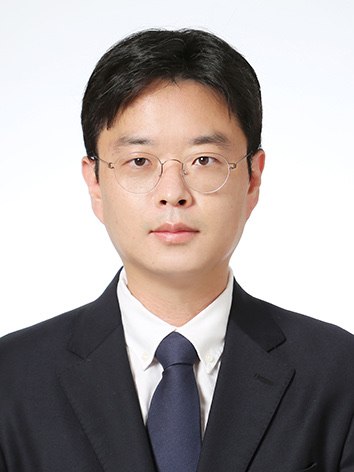
  • Soo Hyung Park, Professor

    Participating Professor

    Soo Hyung ParkProfessor
    Research Areas
    Cancer Immunology · Emerging Infectious Diseases · Autoimmune Diseases
    Email
    park3@kaist.ac.kr
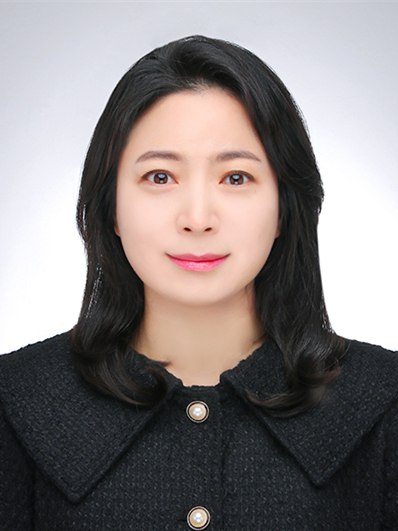
  • Yo Han Park, Associate Professor

    Participating Professor

    Yo Han ParkAssociate Professor
    Research Areas
    Visible-Light-Driven Catalysis · Electrosynthesis · Synthesis of Bioactive Compounds
    Email
    yohanpark@cnu.ac.kr
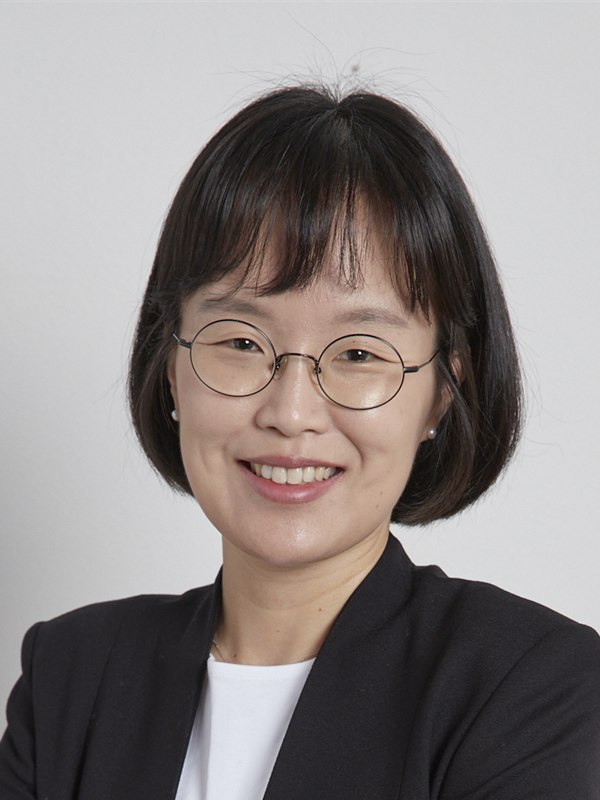
  • Hye Jin Shin, Assistant Professor

    Participating Professor

    Hye Jin ShinAssistant Professor
    Research Areas
    Mechanisms of Viral Infection · Development of Antiviral Agents · Disease Model-Based Precision Medicine
    Email
    shinh@cnu.ac.kr
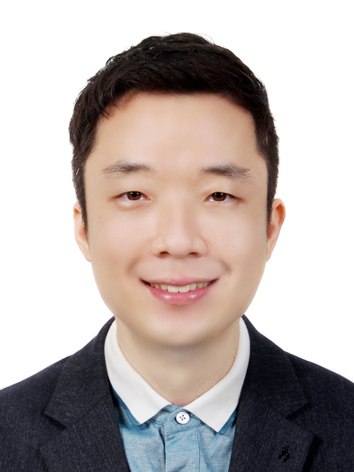
  • Ji Won Shim, Professor

    Participating Professor

    Ji Won ShimProfessor
    Research Areas
    Non-Immune Functions of Immune Cells · In Vivo Imaging and Omics Analysis · Development of Drosophila Genetic Tools
    Email
    jiwonshim@snu.ac.kr
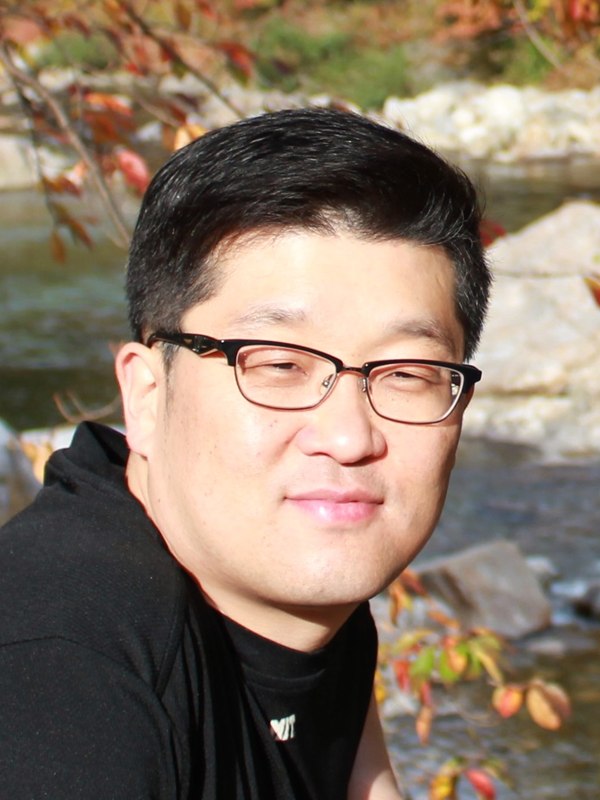
  • Hyuk Soo Eun, Associate Professor

    Participating Professor

    Hyuk Soo EunAssociate Professor
    Research Areas
    Mechanisms of Acute Hepatitis and Liver Injury · Mechanisms of Liver Fibrosis and Identification of Therapeutic Targets · Mechanisms of Liver Cancer Regulation and Identification of Therapeutic Targets
    Email
    hyuksoo@cnu.ac.kr
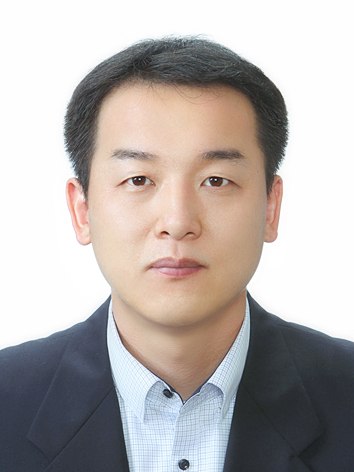
  • Jong Soo Lee, Professor

    Participating Professor

    Jong Soo LeeProfessor
    Research Areas
    Virus–Host Interactions · Inflammasome Mechanisms · Vaccine Platform Research
    Email
    jongsool@cnu.ac.kr
  • Cheol Hee Choi, Professor

    Participating Professor

    Cheol Hee ChoiProfessor
    Research Areas
    Bacterial Infections and Host–Pathogen Interactions · Characterization of Pathogen-Derived Outer Membrane Vesicles · Development of Antimicrobial Agents
    Email
    choich@cnu.ac.kr
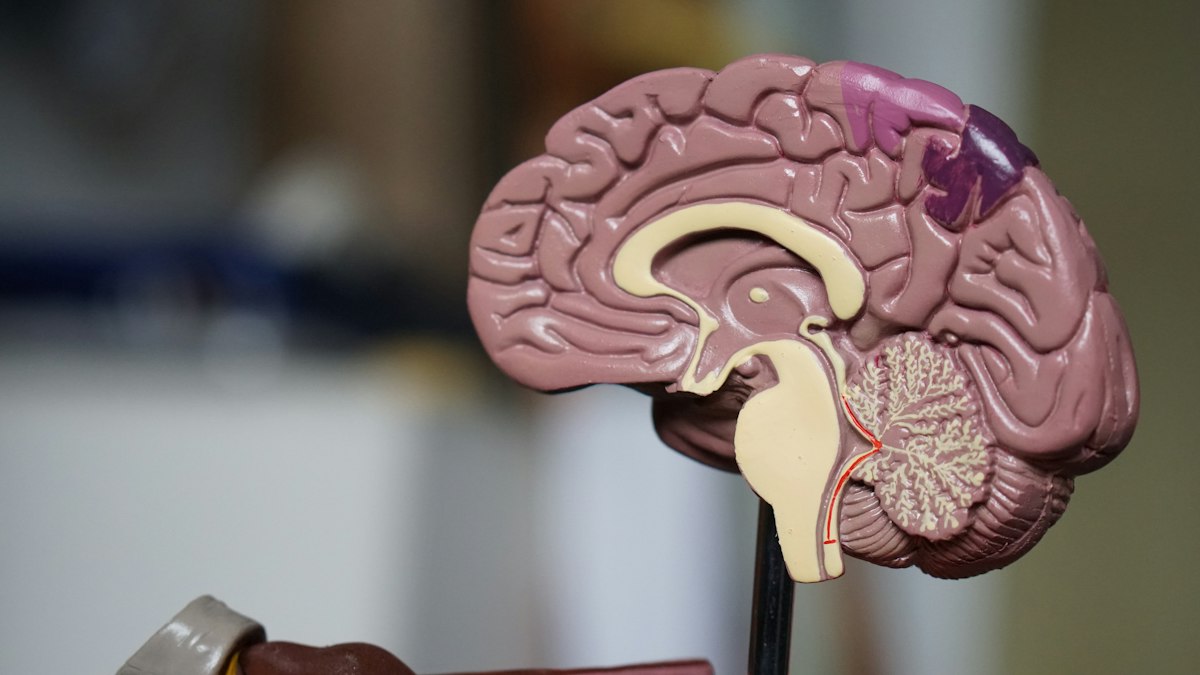
SG3 Brain Disease Research Group - model of the human brain
SG3

Brain Diseases

Brain Disease Research Group

Non-invasive, high-precision control of neurological disorders through blood–brain barrier modulation

  1. Phase 1Elucidation of brain disease mechanisms and target discovery
  2. Phase 2Design of precision theranostics for brain diseases
  3. Phase 3Development of an in vivo platform
Related Core Technologies
  • CT1 Targeting
  • CT2 Imaging

SG3 Brain Diseases Researchers

  • Jun Young Heo, Professor

    SG3 Group Leader

    Jun Young HeoProfessor
    Research Areas
    Investigation of Peripheral Organ–Brain Interactions · Elucidation of Mechanisms That Strengthen the Blood Barrier · Development of Devices for Managing Neurological Dysfunction
    Email
    jyheo@cnu.ac.kr
  • In Jun Kim, Professor

    Participating Professor

    In Jun KimProfessor
    Research Areas
    Blood–Brain Barrier (BBB) Regulation · Organ-Specific Vascular Characteristics · Vascular Homeostasis and Metabolism
    Email
    injunek@kaist.ac.kr
  • Chang Soo Lee, Professor

    Participating Professor

    Chang Soo LeeProfessor
    Research Areas
    Microfluidic Toolbox · High-Throughput Screening (HTS) · Functional Particles
    Email
    rhadum@cnu.ac.kr
  • Young Joo Jeon, Associate Professor

    Participating Professor

    Young Joo JeonAssociate Professor
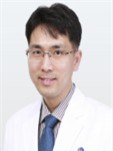
    Research Areas
    Crosstalk Between Protein Modifications · Organelle Homeostasis · Reprogramming of Proteostasis
    Email
    yjjeon@cnu.ac.kr
  • Jae Wook Jung, Professor

    Participating Professor

    Jae Wook JungProfessor
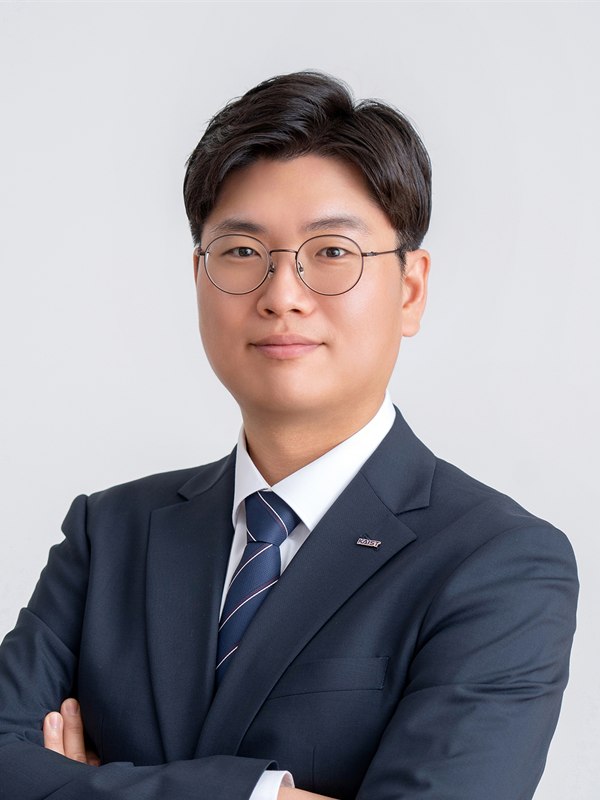
    Research Areas
    Lung Cancer Organoid Culture · Personalized Treatment · Drug Resistance Models and Drug Screening
    Email
    cuchung@cnu.ac.kr
  • Chang Wook Jung, Assistant Professor

    Participating Professor

    Chang Wook JungAssistant Professor
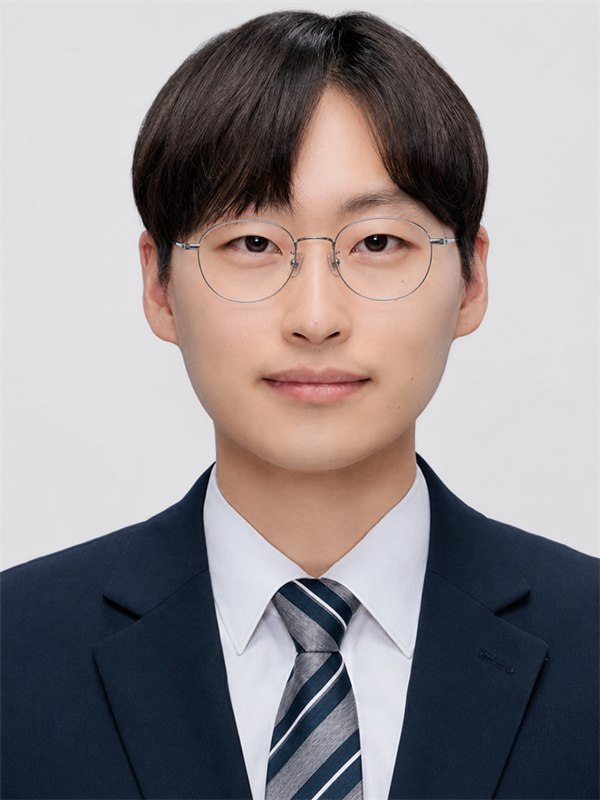
    Research Areas
    Human Brain Multi-Omics · Multi-Omics of Brain Diseases · Development of Single-Cell Genomics Technologies
    Email
    chchuk@kaist.ac.kr
  • Chang Woo Chae, Assistant Professor

    Participating Professor

    Chang Woo ChaeAssistant Professor
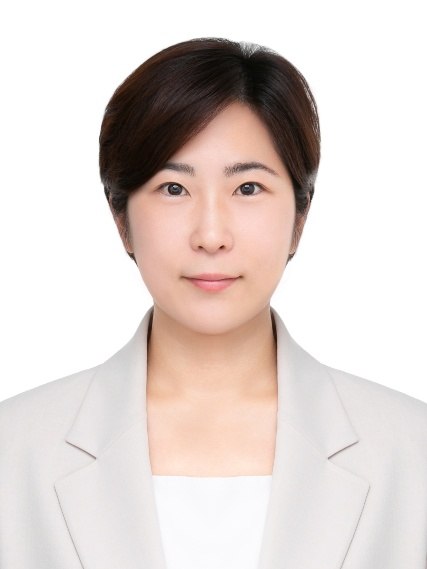
    Research Areas
    Mechanisms of Metabolic Stress-Associated Cognitive Impairment · Regulation of Organelle Homeostasis and Autophagy · Gut Microbiota Metabolite-Based Therapies
    Email
    chae.cw@cnu.ac.kr
  • Kyung Ah Han, Assistant Professor

    Participating Professor

    Kyung Ah HanAssistant Professor
    Research Areas
    Regulation of Brain Function Through Cell Adhesion Proteins · Neuronal and Neural Circuit Mapping · Elucidation of Brain Disease Mechanisms and Identification of Therapeutic Targets
    Email
    kahan@cnu.ac.kr
  • In Sun Hong, Professor

    Participating Professor

    In Sun HongProfessor
    Research Areas
    Stem Cell-Based Tissue Regeneration · Tissue Engineering and Organ-on-a-Chip Technologies · Immunomodulatory Functions of Stem Cells
    Email
    hongstem@gachon.ac.kr
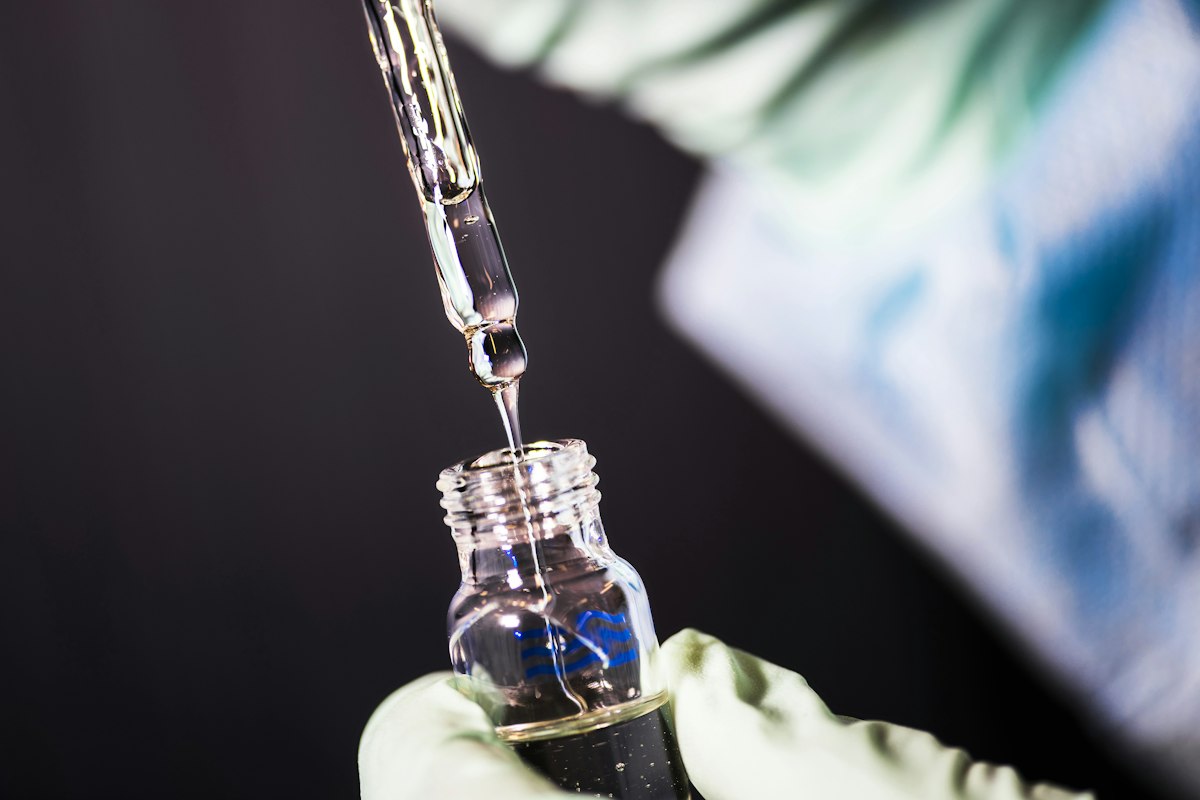
SG4 Drug Delivery Research Group - drug vials and a syringe
SG4

Drug Delivery

Drug Delivery Research Group

Optimization of intelligent precision theranostics delivery platforms and therapeutic design

  1. Phase 1Design of drug-delivery materials and formulations
  2. Phase 2Optimization of delivery platforms
  3. Phase 3Completion of local and systemic delivery platforms
Related Core Technologies
  • CT3 Smart Probe
  • CT4 Targeted Delivery

SG4 Drug Delivery Researchers

  • Kang Moo Huh, Professor

    SG4 Group Leader

    Kang Moo HuhProfessor
    Research Areas
    Design and Synthesis of Biomedical Polymers · Development of Polymeric Drug Delivery Systems · Development of Injectable Scaffold Formulations
    Email
    khuh@cnu.ac.kr
  • Nam Sik Kim, Associate Professor

    Participating Professor

    Nam Sik KimAssociate Professor
    Research Areas
    Generation of Patient-Derived Stem Cells · Disease Modeling · Drug Evaluation Platforms
    Email
    nskim1@cnu.ac.kr
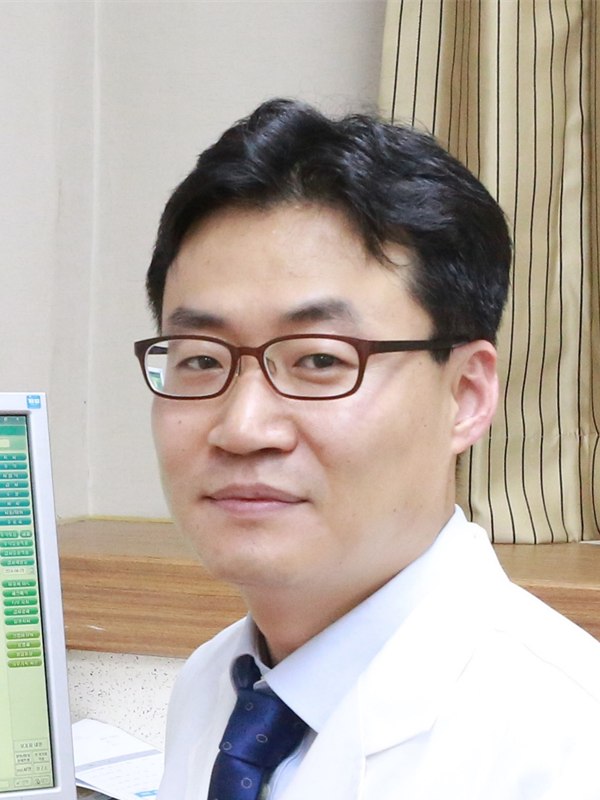
  • Sung Young Park, Professor

    Participating Professor

    Sung Young ParkProfessor
    Research Areas
    Stimuli-Responsive Polymer Dots · Diagnostic Technologies for Disease-Associated Factors · Development of Drug Delivery Matrices
    Email
    parkchem@ut.ac.kr
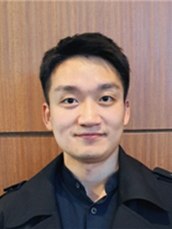
  • Yong Ho Park, Professor

    Participating Professor

    Yong Ho ParkProfessor
    Research Areas
    Development of Animal Models of Hearing Loss · In Vivo Evaluation of Drug Delivery Systems · Therapeutic Platforms for Hearing Loss
    Email
    parkyh@cnu.ac.kr
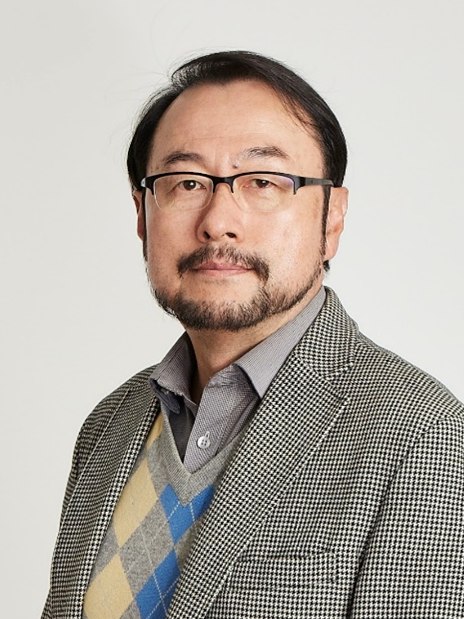
  • Joo Ho Park, Associate Professor

    Participating Professor

    Joo Ho ParkAssociate Professor
    Research Areas
    Development of Anticancer Prodrugs and Nanoparticles · Development of Peptide-Based Anticancer Agents · Oral Drug Delivery Technologies
    Email
    pkjhdn@kku.ac.kr
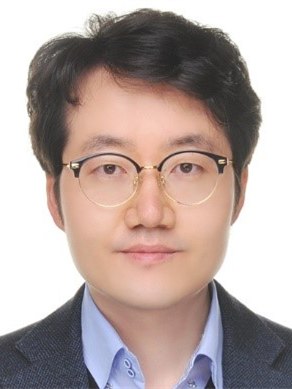
  • Sang Yong Jon, Professor

    Participating Professor

    Sang Yong JonProfessor
    Research Areas
    Development of Nanomedicines · Development of Nanovaccines · Development of Cell Therapies
    Email
    syjon@kaist.ac.kr
  • Woo Kyung Cho, Professor

    Participating Professor

    Woo Kyung ChoProfessor
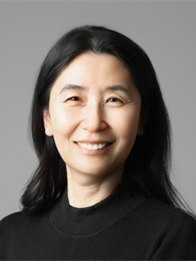
    Research Areas
    Development of Biomimetic Functional Biomaterials · Biointerface Engineering · Functional Hydrogels
    Email
    wkcho@cnu.ac.kr
  • Jung Won Cho, Professor

    Participating Professor

    Jung Won ChoProfessor
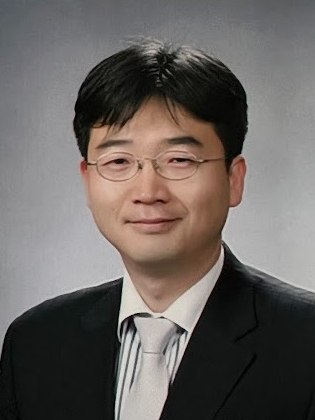
    Research Areas
    Research on Improving Bioavailability · Patient-Tailored Formulations · Development of Nanocarrier-Based Drug Delivery Systems
    Email
    chocw@cnu.ac.kr
  • Joon Sig Choi, Professor

    Participating Professor

    Joon Sig ChoiProfessor

    Research Areas
    Lipid Nanoparticles · Development of Nanocarrier-Based Drug Delivery Systems · Antibody–Drug Conjugate (ADC) Research
    Email
    joonsig@cnu.ac.kr
SG5 AI & Multi-Omics Research Group - artificial intelligence concept image
SG5

AI & Multi-Omics

AI & Multi-Omics Research Group

Development and clinical application of precision theranostics based on AI, multi-omics, and imaging data

  1. Phase 1Development of an AI system integrating multi-omics, imaging, and clinical data
  2. Phase 2Development of AI models predicting patient prognosis and treatment response
  3. Phase 3Development of AI technologies for real-time theranostic decision-making
Related Core Technologies
  • CT5 AI-Robotics

SG5 AI & Multi-Omics Researchers

  • Hyun Joo Ahn, Professor

    SG5 Group Leader

    Hyun Joo AhnProfessor
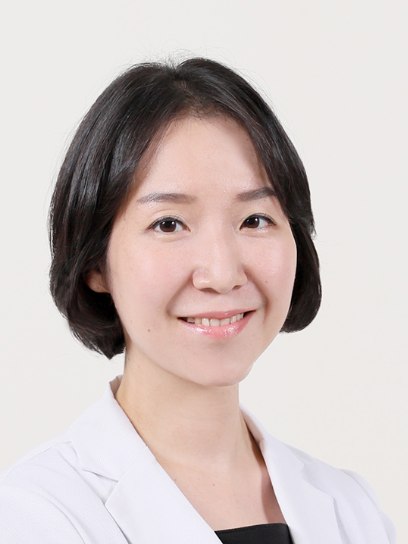
    Research Areas
    Discovery of Glycome-Based Biomarkers · Retrospective Analysis of Biosynthetic Pathways and Multifaceted Functional Validation · Development of Glycomics Analysis Platforms for Advanced Biopharmaceuticals
    Email
    hjan@cnu.ac.kr
  • Ye Eun Kang, Endowed Associate Professor

    Participating Professor

    Ye Eun KangEndowed Associate Professor
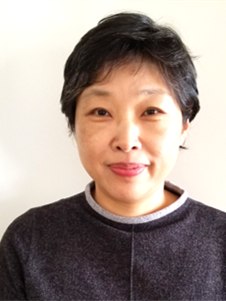
    Research Areas
    Difficult-to-Treat Solid Tumors · Metabolic and Endocrine Disorders · Neurological Disorders
    Email
    yeeuni2200@gmail.com
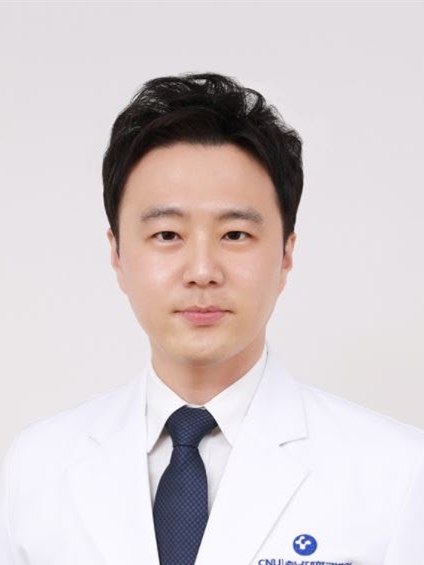
  • Ju Kyung Kang, Research Professor

    Participating Professor

    Ju Kyung KangResearch Professor
    Research Areas
    NGS-Based Epigenomic Analysis · CRISPR-Based Target Validation · Research on Metabolic Disorders and Aging
    Email
    kangju7@kaist.ac.kr
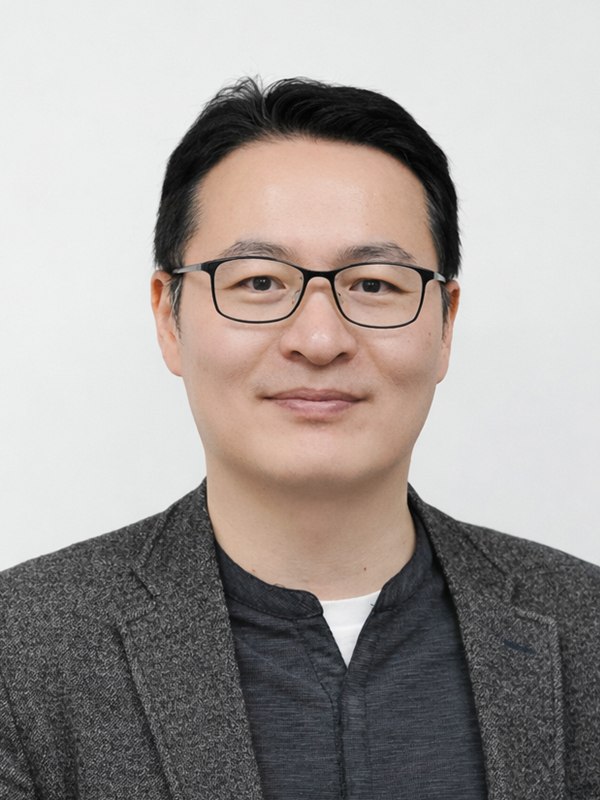
  • Yun Seo Ku, Associate Professor

    Participating Professor

    Yun Seo KuAssociate Professor
    Research Areas
    Wearable Medical Devices · Artificial Intelligence in Medicine · Neuromodulation
    Email
    yunseo.ku@cnu.ac.kr
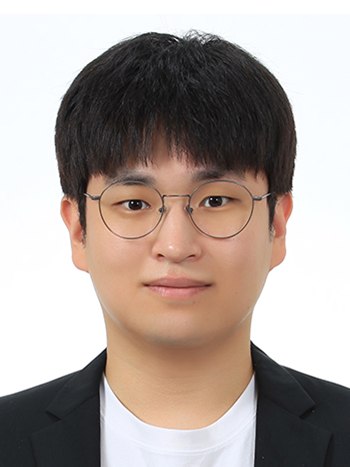
  • Seung Kyun Kim, Associate Professor

    Participating Professor

    Seung Kyun KimAssociate Professor
    Research Areas
    Functional Non-Coding RNAs (ncRNAs) · Modification and Demodification of Epigenetic Regulatory Molecules · Regulation of Embryonic Stem Cell Maintenance and Differentiation
    Email
    sk.kim@cnu.ac.kr
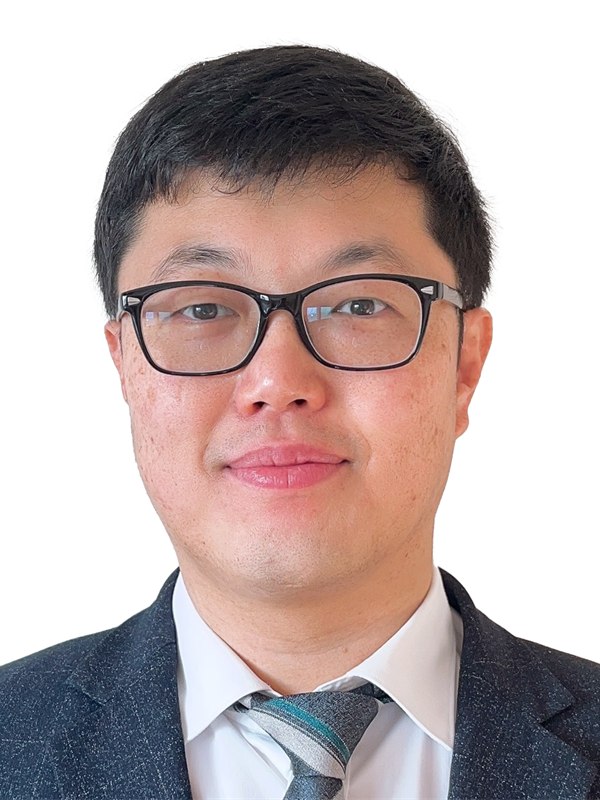
  • Jun Kim, Assistant Professor

    Participating Professor

    Jun KimAssistant Professor
    Research Areas
    Pangenomic Analysis · Diagnosis of Undiagnosed Rare Diseases · Development of Bioinformatics Methods
    Email
    junkim@cnu.ac.kr
  • Sun Jae Lee, Assistant Professor

    Participating Professor

    Sun Jae LeeAssistant Professor
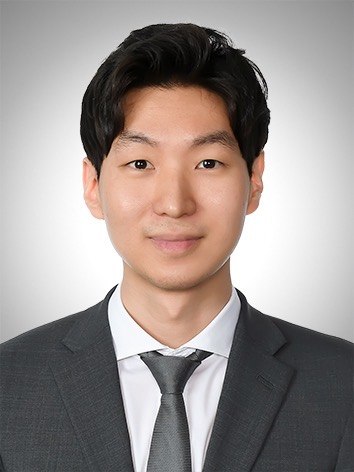
    Research Areas
    Multi-Omics-Based Therapeutic Target Discovery · Digital Cell Modeling · Development of Multimodal AI
    Email
    leesunjae@kaist.ac.kr
  • Chang Woo Han, Associate Professor

    Participating Professor

    Chang Woo HanAssociate Professor
    Research Areas
    Epidemiological Investigation of Climate- and Environment-Related Disasters · Rapid-Response Research on Social Change · Community Health and Environmental Monitoring
    Email
    cwohan@cnu.ac.kr
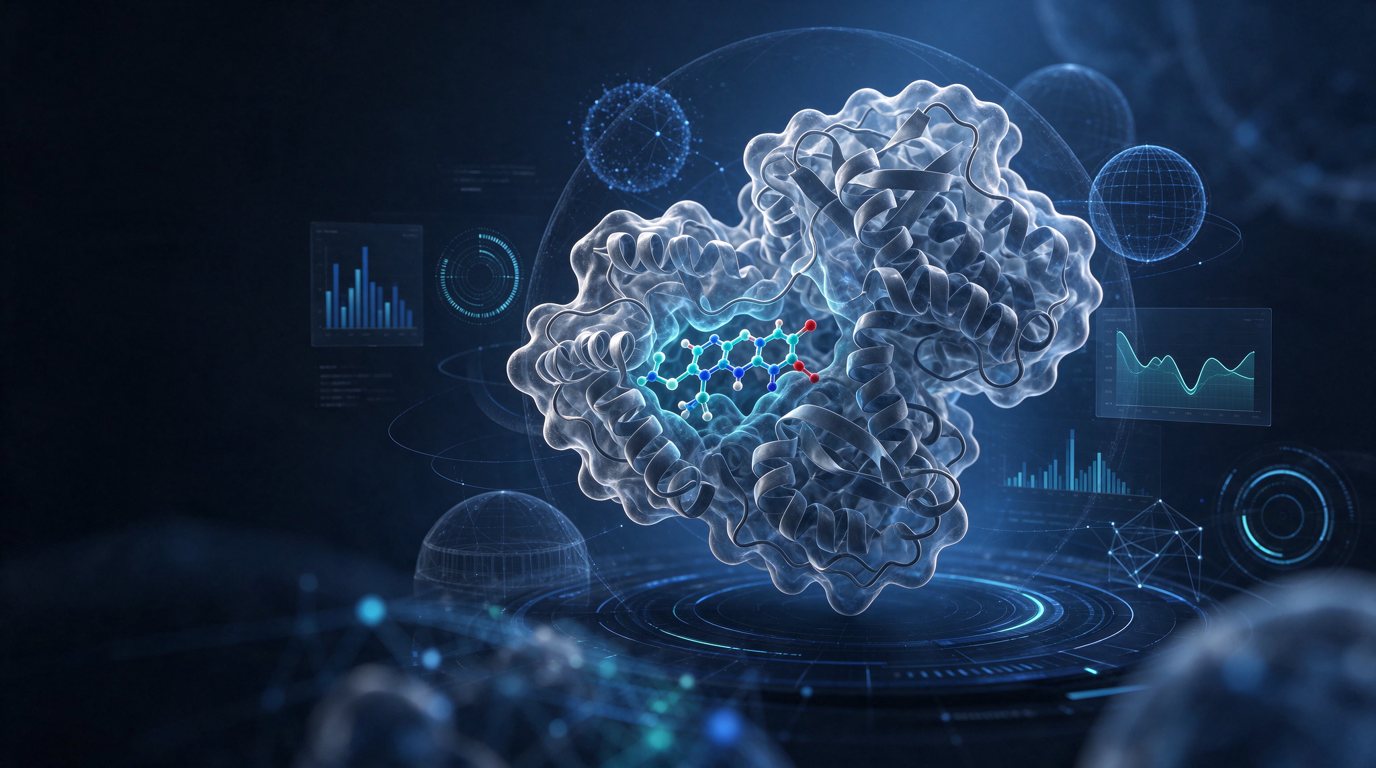
SSG Translation, Support & Dissemination Group - AI docking visualization of a drug molecule binding to a protein structure
SSG

Translation & Support

Translation, Support & Dissemination Group

Validation of theranostic targets using proteomics and AI-based molecular docking, and development of mass-production processes

  1. Phase 1Proteomics-based identification of protein targets
  2. Phase 2Target refinement integrating proteomics, molecular docking, and 3D models
  3. Phase 3Establishment of a drug clinical-translation package and mass-production processes
Partners
  • KRIBB (Korea Research Institute of Bioscience and Biotechnology)
  • KBSI (Korea Basic Science Institute)

SSG Translation & Support Researchers

  • Moo Seung Lee, Ph.D.

    KRIBB Principal Investigator

    Moo Seung LeePh.D.
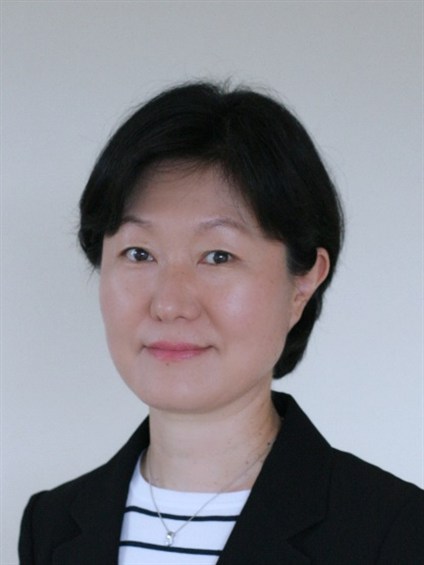
    Research Areas
    Pediatric Enterohemorrhagic Complications (HUS) · Exosomes from Infected Cells · Recombinant Protein Production
    Email
    msl031000@kribb.re.kr
  • Jin Young Kim, Ph.D.

    KBSI Participating Researcher

    Jin Young KimPh.D.
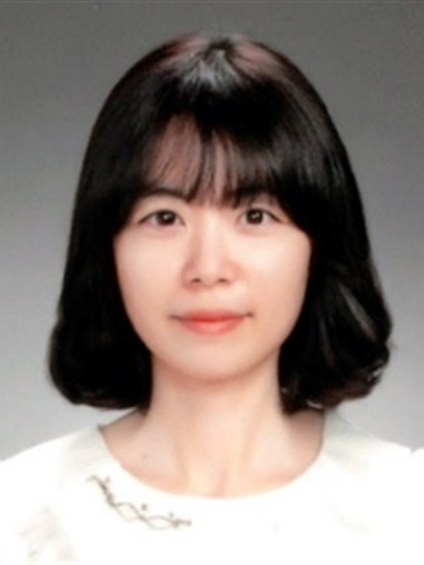
    Research Areas
    Development of Proteome Analysis Technologies · Development of Early-Diagnosis Biomarker Panels · Drug Target Discovery
    Email
    jinyoung@kbsi.re.kr
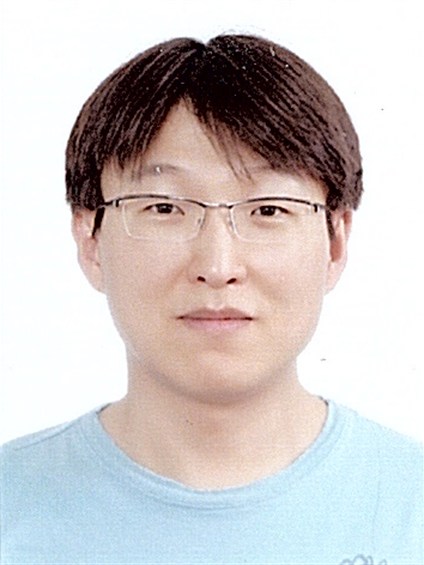
  • Jung Woon Lee, Ph.D.

    KRIBB Participating Researcher

    Jung Woon LeePh.D.
    Research Areas
    Organoid Development and Establishment · Disease Modeling · Environmental Stress and Rejuvenation
    Email
    jwlee821@kribb.re.kr
  • Jin Hyuk Lee, Ph.D.

    KRIBB Participating Researcher

    Jin Hyuk LeePh.D.

    Research Areas
    Development of AI Models for Bioinformatics · Development of Drug Discovery Pipeline Platforms · Protein Structure Modeling and Elucidation
    Email
    jinhyuk@kribb.re.kr

CT · SG SynergyConnecting Core Technologies and Research Groups

The groups investigating disease mechanisms, developing delivery and treatment platforms, optimizing technologies with AI, and translating and disseminating research outcomes converge within a single platform centered on the Core Research Group (CORE).

SG1 · SG2 · SG3

Elucidation of Disease Mechanisms

CT1 Targeting · CT2 Imaging

SG4

Drug Delivery & Treatment Platforms

CT3 Smart Probe · CT4 Delivery

TCNRL emblem CORE

All-in-One
Theranostics Platform

Core Research Group · CT1–CT5
SG5

AI Optimization

CT5 AI-Robotics

SSG

Translation, Support & Dissemination

KRIBB · KBSI

Find answers to common questions about TCNRL, its research, and opportunities for collaboration.

TCNRL has seven core research groups. Centered on the Core Research Group (CORE), which integrates the five core technologies (CT1–CT5), they include SG1 Cancer, SG2 Infectious Diseases, SG3 Brain Diseases, SG4 Drug Delivery, SG5 AI & Multi-Omics, and SSG Translation & Support.

TCNRL's Core Research Group (CORE) is led by Founding Director Hak Soo Choi and Prof. Min Woong Kang. SG1 Cancer is led by Prof. Bon Seok Koo, SG2 Infectious Diseases by Prof. Eun Kyeong Jo, SG3 Brain Diseases by Prof. Jun Young Heo, SG4 Drug Delivery by Prof. Kang Moo Huh, and SG5 AI & Multi-Omics by Prof. Hyun Joo Ahn.

The SG1 Cancer Research Group develops an integrated theranostics platform for precisely targeting mechanisms of tumor resistance, and the SG2 Infectious Disease Research Group builds an end-to-end platform for diagnosing and treating difficult-to-treat infections. The SG3 Brain Disease Research Group pursues non-invasive, high-precision control of neurological disorders through blood–brain barrier modulation.

The SG4 Drug Delivery Research Group optimizes intelligent precision theranostics delivery platforms and therapeutic design, while the SG5 AI & Multi-Omics Research Group develops and clinically applies precision theranostics based on AI, multi-omics, and imaging data. Together with the disease-focused groups, they converge into a single platform centered on CORE.

TCNRL's Translation, Support & Dissemination Group (SSG) partners with KRIBB (Korea Research Institute of Bioscience and Biotechnology) and KBSI (Korea Basic Science Institute). It focuses on validating theranostic targets using proteomics and AI-based molecular docking, and on developing mass-production processes.